Sustaining the Surgeon
The 2026 AWS Foundation theme, Sustaining the Surgeon, reflects the Foundation’s commitment to creating a supportive and inclusive environment where women surgeons can thrive throughout every stage of their careers. This theme highlights the people, organizations, and tools that help sustain surgeons, not only by addressing challenges but also by fostering resilience, inclusion, and allyship within the surgical community. Through monthly spotlights, the Foundation will feature stories from women surgeons who have been supported by mentors, colleagues, allies, and organizations that helped them anticipate obstacles, navigate setbacks, and continue growing professionally. By celebrating these partnerships, Sustaining the Surgeon underscores that advancing women in surgery is a shared responsibility, and that when support systems are strong, the entire profession benefits.
Friehiwot Amsalu, FCS-ECSA
General Surgeon, Medexpress Hospitals

What does a truly inclusive and supportive surgical environment look like to you?
For me, a truly inclusive and supportive surgical environment is one where opportunities are based on competence, dedication & potential rather than gender, background or socioeconomic status. It is a workplace where women surgeons are respected, mentored, and given equal opportunities to develop their skills, encouraged to lead and thrive without having to constantly prove that they belong. I believe this also helps by allowing every surgeon to grow professionally while delivering the best possible care to patients.
What challenges have you faced as a woman in surgery, and which tools or relationships helped you navigate them?
My greatest challenge as a woman surgeon early in my career was working in conflict-affected areas of Ethiopia, where an unsafe environment, armed checkpoints, and the constant threat to doctors’ lives, including losing a colleague and friend who was shot while driving to work at the hospital, made professional and academic growth extremely difficult. Eventually, I had to leave my university teaching position and move into private practice, a decision that reinforced for me that a safe working environment is fundamental not only to career development but also to survival. Another major challenge was finding a mentor who had walked a similar path, understood the struggles of a woman from a resource-limited background, and could recognize my weaknesses while empowering me to grow.
What habits, routines, or mindsets help you maintain your well‑being as a surgeon?
I believe maintaining well-being as a surgeon starts with creating life beyond medicine and, for me, that means spending quality time with family and friends. Over the years, I have become increasingly intentional about protecting my mental health, cultivating a positive mindset and maintaining perspective, even during challenging periods. This shift has made a remarkable difference in my personal well-being, resilience, and even the way I approach patient care and outcomes.
Is there a resource (e.g., AWS/AWSF programs, wellness tools, community groups) that has had a meaningful impact on your career trajectory?
Being a member of AWS has been an enriching experience, particularly through learning from the experiences, insights, and inspiring journeys of senior women surgical leaders within the organization. Although my in-person engagement has so far been limited to COSECSA meetings, being part of the AWS community has broadened my perspective and strengthened my sense of belonging in surgery. I look forward to engaging more actively, accessing further educational and mentorship resources, building meaningful professional connections & continuing to grow within this inspiring community.
How do you hope to contribute to sustaining future generations of women surgeons?
Having trained in a resource-limited setting and worked hard to meet international surgical standards, I hope to use my experience to mentor and empower the next generation of women surgeons. I am committed to guiding young surgeons and residents to become technically competent, compassionate clinicians who provide effective surgical care and grow into strong leaders. Four years ago, being only the fifth woman to graduate from a 14-year residency program, I recognized the responsibility I carry to inspire more women to pursue surgery, challenge barriers, and support them in reaching their full potential.
What impact has AWS and AWSF had on your surgical career?
In December 2023, AWSF selected me as its travel grant award recipient following my graduation from COSECSA in Addis Ababa, where I had the privilege of receiving the award from Professor Sherry Wren. This recognition became one of the most transformative opportunities in my surgical career, allowing me to connect with international surgical leaders, expand my professional network & access opportunities that opened many doors. I remain deeply grateful to AWS and AWSF for their support, encouragement, and lasting impact on my professional journey.
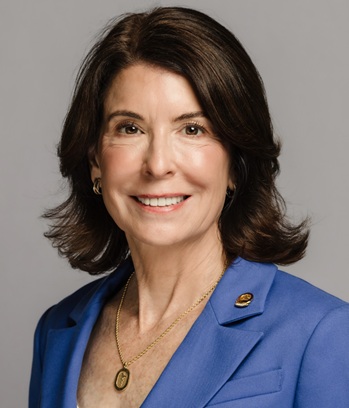
Nancy L. Gantt, MD, FACS, MAMSE
AWSF Chair
Professor of Surgery, Northeast Ohio Medical University
What does a truly inclusive and supportive surgical environment look like to you?
A truly inclusive and supportive environment for ALL surgeons would provide equitable access to clinical, educational, mentorship, and leadership opportunities, while being transparent about promotion and compensation. Flexible policies for parental leave, scheduling, and career pathways benefit all surgeons, and having a Chair or "Boss" who prioritizes these things is essential.
What challenges have you faced as a woman in surgery, and which tools or relationships helped you navigate them?
There is a LOT to talk about here! One habit I shared with many female colleagues was insisting on wearing too many hats, often in an effort to "prove myself", and expecting to be able to do everything perfectly if I just worked hard enough. This proved impossible. I learned to prioritize and delegate, and also sought out colleagues who shared my values, which brought joy back into being a surgeon.
What habits, routines, or mindsets help you maintain your well‑being as a surgeon?
Paying close attention to physical and spiritual wellness, and to what brings me joy, is essential. I am grateful every day for the professional opportunities I have-and I voice those thanks.
Is there a resource (e.g., AWS/AWSF programs, wellness tools, community groups) that has had a meaningful impact on your
The leadership skills I gained through the AWS were integral to my rising to leadership roles both clinically and in other professional organizations. The opportunities to both mentor and network, and be supported personally and professionally, allowed me to build confidence and a strong professional foundation. A perfect example of this was when I was given just 24 hours to submit letters of support to advance to full Professor, and my AWS friends made it happen!
How do you hope to contribute to sustaining future generations of women surgeons?
I hope to continue developing programs that support women surgeons internationally, which is a passion. I also hope to continue to be an accessible resource for women surgeons at all stages of their training, offering connection, mentorship, and opportunities to collaborate.
What impact has AWS and AWSF had on your surgical career?
As the only woman surgeon in Youngstown, OH, practicing in solo private practice, I relied heavily on the AWS for support across so many aspects of my life. I truly do not know how I would have navigated those early years of practice and motherhood without my AWS community beside me.
Laura S. Johnson, MD
Professor of Surgery, Emory School of Medicine

What does a truly inclusive and supportive surgical environment look like to you?
Curiosity and creativity are at the root of an inclusive, supportive environment. When every person on the team can and does bring their best self to focus on the care the patient, that collective outcome can exceed what we can each achieve individually. In that moment, the everything else falls away, and ultimately both the patient and the team are better for it.
What challenges have you faced as a woman in surgery, and which tools or relationships helped you navigate them?
Prejudice has evolved over my lifetime, from overt assessments of capability that could be addressed with work ethic and outcomes data, to now more subversive microaggressions that sometimes do not even register in the moment but can have lasting impact. My friends and family, my mentors and mentees, and my patients are my strength, sometimes surprising even me with the passion and ferocity they use to advocate even as I just as passionately advocate for them.
What habits, routines, or mindsets help you maintain your well‑being as a surgeon?
Often described as a "grim optimist," I find the act of identifying even a small positive outcome or silver lining in a particular situation has been the most useful in grounding my well-being. Every interaction and operation is a learning opportunity, and that framework gets me up every morning. Additionally, I am a fencer - the parallels between successfully hitting people with metal sticks and managing a service are often striking.
Is there a resource (e.g., AWS/AWSF programs, wellness tools, community groups) that has had a meaningful impact on your
AWS Resident Guide, Women in Surgery Career Symposium
How do you hope to contribute to sustaining future generations of women surgeons?
As I see it, one of my responsibilities is to learn from what has been difficult, frustrating, and occasionally infuriating in my career, and keep them from impacting other people in the same way. Being honest about those challenges, what worked and what did not, and then keeping them from becoming a recurring theme means other surgeons can spend their energy and focus on what matters, which is innovative, safe, and patient-centered care.
Is there a website you would like to share where people can learn more about you, your projects, or an organization you work with?:
https://med.emory.edu/directory/profile/?u=LSJOHN4
What impact has AWS and AWSF had on your surgical career?
The AWS and AWSF has brought some amazing women into my life over my career to date - I would not have some of the friends I have today without these organizations (specifically, without the yearly banquet before the Clinical Congress!). I am also incredibly thankful for this community for pushing me to constantly consider and advocate for how our individual differences actually strengthen the community of surgeons and clinicians.
Julie Ann Freischlag, MD
Leadership Ambassador and Adviser at Advocate Health

What does a truly inclusive and supportive surgical environment look like to you?
A truly inclusive and supportive surgical environment is one where everyone can speak out freely and express their concerns and also their joy. It also should be one where you have colleagues who you trust and can confide in. It should be a place where you are always learning and improving your technical, communication and intellectual skills.
What challenges have you faced as a woman in surgery, and which tools or relationships helped you navigate them?
Many thought I could not do it- and I just said I could. My grandfather who was a coal miner actually told me that when I skipped first grade- he said tell them that you can. I worked a bit harder, made sure people knew I was in the room by having a comment and including others around me - especially the leaders.
What habits, routines, or mindsets help you maintain your well‑being as a surgeon?
I love teaching- so having learners around me has always given me energy. I stay connected to my family and we always have a vacation planned. Getting together with friend is important as well- the ACS and the AWS has also kept me connected as well.
Is there a resource (e.g., AWS/AWSF programs, wellness tools, community groups) that has had a meaningful impact on your career trajectory?
The AWS meeting—since it started as a simple breakfast to now a major event—has always kept me connected. Also, being involved with the leadership of the ACS has inspired me to do more.
How do you hope to contribute to sustaining future generations of women surgeons?
I hope to continue to be a resource for future generations of women and men surgeons- I enjoy listening to their ideas and helping them project themselves and their ideas in a positive and futuristic manner.
What impact has AWS and AWSF had on your surgical career?
The AWS and the AWSF have given me a rock to stand on and place to call home.
Susan E. Pories, MD, FACS
Professor of Surgery at Rutgers New Jersey Medical School and Cancer Institute of New Jersey

What does a truly inclusive and supportive surgical environment look like to you?
A supportive surgical environment should be a culture of safety, where everyone in the department feels empowered to speak up about how to take the best care of patients and each other.
What challenges have you faced as a woman in surgery, and which tools or relationships helped you navigate them?
I have found the best way to deal with challenges are to pick your battles, keep a sense of humor, and take time to enjoy things away from surgery—whether it's music, poetry, or friends. It helps to keep everything in perspective.
What habits, routines, or mindsets help you maintain your well‑being as a surgeon?
I love to spend time with my family; that is what means the most to me.
Is there a resource (e.g., AWS/AWSF programs, wellness tools, community groups) that has had a meaningful impact on your career trajectory?
Serving on committees has been the best way to work on meaningful goals together and build a network of friends and colleagues.
How do you hope to contribute to sustaining future generations of women surgeons?
I enjoy mentoring junior colleagues and surgical residents.
Is there a website you would like to share where people can learn more about you, your projects, or an organization you work with?
https://cinj.org/susan-e-pories-md-facs
What impact has AWS and AWSF had on your surgical career?
The AWS has provided me with a warm and caring community over my entire career. When things were difficult locally, I knew I could still make a difference on the national and international level. The AWS has provided me with leadership opportunities that changed the trajectory of my professional life and allowed me to meet inspirational women surgeons from all over the world. I am grateful every day for the difference that AWS has made for me and women surgeons everywhere.
Margaret Dunn, MD, MBA, FACS
Dean and Professor Emerita of Wright State Boonshoft School of Medicine
What does a truly inclusive and supportive surgical environment look like to you?
Where the personal characteristics of a surgeon are irrelevant to assessment of their performance or support of their practice of surgery.
What challenges have you faced as a woman in surgery, and which tools or relationships helped you navigate them?
Isolation, underestimation, undercompensation and overwork. What habits, routines, or mindsets help you maintain your well‑being as a surgeon? Most recently, the active practice of gratitude has been the most helpful.
Is there a resource (e.g., AWS/AWSF programs, wellness tools, community groups) that has had a meaningful impact on your career trajectory?
The network of colleagues that AWS provide.
How do you hope to contribute to sustaining future generations of women surgeons?
I have tried to encourage, advise and mentor the generations of women in surgery that have and will follow me into surgery, just as the women before me supported my life as a surgeon.
What impact has AWS and AWSF had on your surgical career?
The network of support, advice and friendship that AWS provided me has been critical to my success in medicine and surgery.
|